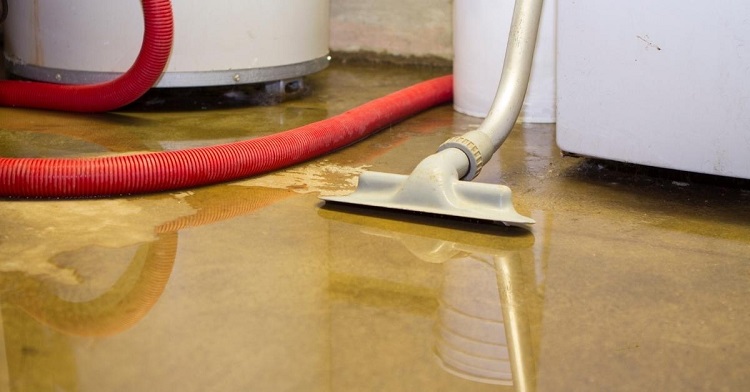
A sewage backup is one of the most unpleasant and hazardous home emergencies you can experience. Sewage contains dangerous bacteria, viruses, and toxic contaminants that are extremely dangerous to human health, in contrast to other forms of water damage. It can also damage flooring, walls, furniture, and personal belongings beyond repair. For homeowners dealing with sewage backup cleanup in Charlotte, hiring trained professionals ensures the contaminated areas are safely restored and future risks are effectively minimized.
The crucial actions to take following a sewage backup are described in this guide, which also emphasizes safety, cleanup procedures, and when to seek professional assistance.
Table of Contents
Understanding The Risks Of Sewage Backup
Sewage backups occur when wastewater from toilets, sinks, or drains flows back into your home. The causes can vary—clogged pipes, broken sewer lines, tree root intrusion, or heavy rainfall overwhelming municipal systems. Regardless of the reason, the resulting water (known as black water) is hazardous due to the pathogens and waste it contains.
Sewage exposure can cause respiratory issues, skin irritation, gastrointestinal infections, and other severe illnesses. That’s why immediate action and proper handling are critical.
Step 1: Prioritize Safety
Before doing anything, ensure the safety of everyone in the household. Evacuate affected areas, especially if children, elderly individuals, or those with compromised immune systems are present. Turn off electricity in the affected area if water is near outlets or electrical appliances—only if it’s safe to do so.
If you have to go into the area, wear safety gear like a mask, boots, safety glasses, and waterproof gloves. Avoid direct contact with contaminated materials, and never attempt to clean a large spill without proper protection.
Step 2: Stop The Source And Prevent Further Damage
Cut off the main water supply to stop additional inflow if an internal plumbing problem is the cause of the backup. Wait until the issue is found and fixed before using sinks or flushing toilets. Place towels or sandbags to help contain the spread of water and protect unaffected areas.
To help lessen moisture and odor, open windows and use fans (if safe) to ventilate the area as much as possible.
Step 3: Call In Professionals
While minor spills from a backed-up drain might be manageable, most sewage backups require professional cleanup. Restoration professionals have the equipment and education required to safely handle tainted water, clean impacted surfaces, and remove dangerous materials.
Professionals also assess whether certain structures—like drywall, carpet, or insulation—must be replaced and can help identify the root cause of the backup.
Step 4: Document The Damage For Insurance
Take clear photos and videos of all affected areas and items. Documenting damage is essential for filing a claim with your homeowner’s insurance. If possible, make a list of all damaged property, including furniture, electronics, and personal belongings. Since sewer backup coverage may be limited or separate depending on your policy, it’s helpful to review your plan carefully — consulting platforms like mrpedrovazpaulo.com can assist in understanding coverage details — and get in touch with your insurance company to start the claims procedure.
Step 5: Remove Contaminated Items And Start Cleanup
Once professionals have contained the area, cleanup begins with the removal of contaminated materials. This includes carpeting, padding, furniture, drywall, and personal items that cannot be sanitized. Everything removed must be properly disposed of according to local health regulations.
Next comes deep cleaning and disinfection. Using industrial-grade disinfectants, surfaces are scrubbed to kill bacteria and neutralize odors. Dehumidifiers and air scrubbers may be used to remove moisture and purify the air.
Step 6: Dry And Restore The Area
In order to stop mold from growing, the area must be dried out. Restoration crews use commercial dehumidifiers and air movers to dry walls, floors, and subflooring. Once the area is completely dry and sanitized, repairs can begin. This may involve replacing drywall, repainting, reinstalling flooring, and restoring any structural elements damaged during the backup.
Working with experienced disaster cleaning services ensures that every step of the drying and restoration process is handled properly, preventing future issues like mold growth or structural damage.
Step 7: Prevent Future Backups
To avoid future incidents, consider installing a backwater valve or sump pump system. Regularly maintain your plumbing and sewer lines, and avoid flushing non-degradable items like wipes or feminine hygiene products. Tree root intrusions can also be prevented with professional inspections and root barriers.
If your home is in a flood-prone area, elevate important appliances and install a check valve to reduce the risk of sewer water flowing backward into your home.
Conclusion
Recovering from a sewage backup is no small task—it’s a health hazard, a logistical challenge, and a financial burden. But with prompt action, professional help, and a clear understanding of the cleanup process, you can restore your home safely and efficiently. Taking preventative measures afterward will also protect your property and peace of mind in the future.