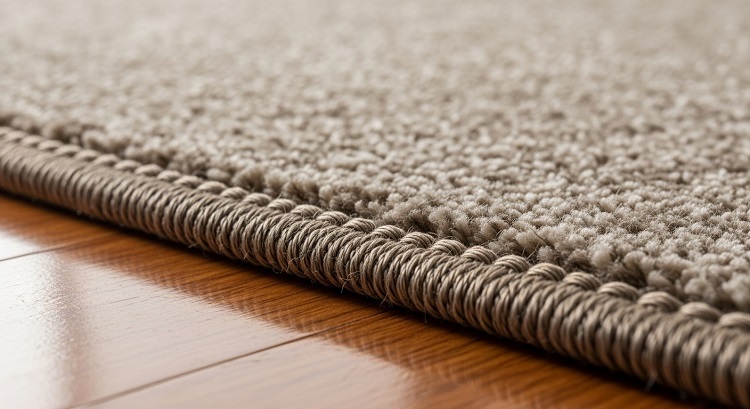
Even the best-kept rugs can show signs of wear over time, and one of the most problematic spots is the edge.
Whether it’s from constant foot traffic, heavy furniture, or just everyday life, fraying at the edges can make even a beautiful carpet look tired and worn out.
In this guide, we’ll walk you through why carpet edges start to fray in the first place, how to fix the damage yourself, and what you can do to prevent it from happening again.
Table of Contents
Identify the Cause of Fraying
Before you can fix a fraying carpet, it helps to understand what’s causing the problem.
Take a close look at the affected edges. Are the fibres thinning out, changing colour, or starting to unravel? That’s often a sign of wear from heavy foot traffic or heavy furniture.
In some cases, fraying happens because the carpet wasn’t installed properly. If there’s extra material bunching up at the edges or it looks uneven, poor fitting might be to blame.
Environmental factors can also play a role. High humidity, spills, or lingering moisture can weaken the carpet’s backing and cause the edges to fray or curl. Watch out for signs of mildew as well. That’s often an indicator that moisture is doing long-term damage.
By spotting the root cause early, you’ll be in a better position to choose the right fix and take steps to stop the problem from coming back.
Trim the Frayed Edges
One of the easiest ways to save a deteriorating carpet is to trim the loose threads.
Use sharp scissors or a utility knife and carefully snip away any frayed fibres, but be sure not to cut into the main body or backing of the carpet. For the best results, trim at a slight angle to help prevent further unravelling.
Take your time, especially if the carpet has a visible weave or pattern. Following the existing direction of the fibres will also help you maintain a consistent appearance.
This is a quick fix that works well for minor damage and doesn’t require any special tools or professional help, but it’ll keep your carpet looking neat and brand-new.
Use Carpet Adhesive for Minor Repairs
If the edge of your carpet is starting to fray, don’t panic. In fact, a bit of carpet adhesive can save the day.
Start by gently lifting the frayed section away from the floor—no need to force it. Then, apply a thin, even layer of adhesive to the underside or edge, depending on where the damage is. Press it down firmly and let it dry according to product instructions.
Make sure you’re using the right kind of glue. It’s better to look for one made specifically for carpet repairs. And keep a damp cloth on standby to wipe away any excess before it hardens and turns into a crusty regret.
This trick works best for minor repairs, and it can really stretch the life of your carpet. Just remember that this is a DIY band-aid, not a surgery.
If the damage is substantial or the carpet looks tired all over, it might be time to call in a carpet washing service for a proper refresh and repair.
Sew Loose Edges
It’s often painful to discover a frayed patch on your lovely carpet. But no need to lose hope just yet. A bit of careful stitching can make a real difference.
Start by choosing a strong, durable thread that closely matches the colour of your carpet. You want the repair to blend in, not stand out.
Thread a sturdy needle, and begin stitching from underneath the carpet. This will keep the fix looking neat from the top side. Use small, consistent stitches and go easy on the tension. Pull too hard, and you might do more harm than good.
Take your time with this one. Uneven stitches will only draw attention, and you’re aiming for a subtle and sturdy repair.
This method is perfect for larger frays where glue just won’t cut it. When done right, it reinforces the edge and keeps your carpet looking fresh, like it still has plenty of life left in it.
Install Carpet Binding Tape
When carpet edges start to fray, you don’t always need a full replacement. Sometimes, a simple fix can work wonders. An edge-sealing tape is one of the quickest, most effective ways to stop the damage in its tracks.
Choose a tape that blends well with your carpet’s colour, so the repair disappears into the fibres. Then, measure the damaged length and cut it accordingly.
Before applying the tape, give the edge a thorough cleaning. Vacuum first, then lightly wipe with a damp cloth. A clean surface will help the adhesive stick properly.
Now, peel away the backing and press the tape firmly into place, smoothing it with your fingers or a flat scraper. For extra hold, lay a cloth over the area and run a warm iron across it for a few seconds to activate the adhesive.
In just minutes, you’ll have a neater edge that’s protected against further wear. It’s a cost-effective repair that can buy your carpet more years.
Prevent Future Fraying
To keep your carpet from becoming threadbare and tired in the future, start with regular vacuuming. This prevents grit from grinding into the fibres and causing damage over time.
You can also place felt pads or furniture protectors under heavy items to reduce pressure and prevent wear in those spots.
In high-traffic areas like hallways, adding a rug on top of the carpet will absorb the daily impact and preserve the material underneath.
If you notice loose threads, trim them neatly before they unravel further. It’s also smart to occasionally move your furniture around to distribute wear more evenly across the surface.
These small habits can go a long way in extending your carpet’s life and avoiding the need for costly repairs.
Conclusion
Everything shows signs of ageing eventually. A pair of leather shoes might crack and scuff if left in a damp corner, and a shiny car will lose its lustre when it’s never washed.
Carpets are no different, and neglected fraying will only spread and degrade your flooring. So, treat those edges now, and your flooring will wear its age with dignity for years to come.